
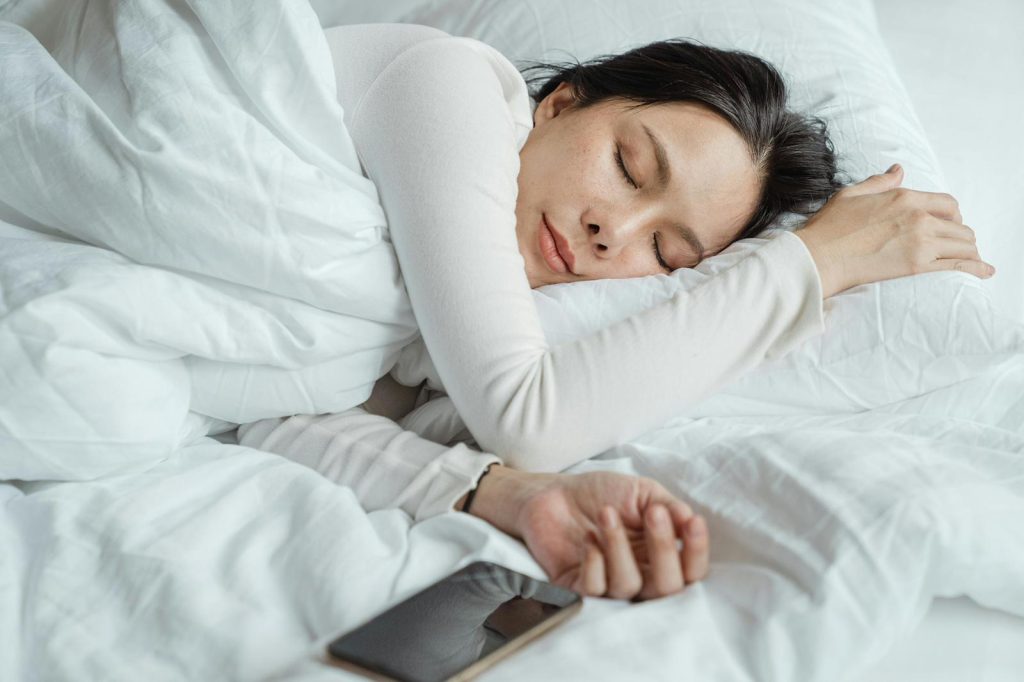
Sleep is one of our most essential biological needs. It is a complex process that affects all of the systems in the body. In this blog, you will find a brief explanation of how sleep works, how many hours we should sleep and what happens in our body if we don’t get enough sleep. Let’s explore how it works and why it matters!
What Is Sleep and Why Is It Vital? Sleep is a vital process that the body needs to function properly. It restores the body, boosts brain function,
regulates hormones, supports the immune system, improves emotional health and maintains physical health.
However, many people underestimate the impact of insufficient sleep on their health. Some may think, “I don’t sleep well, but I haven’t noticed any problems.” Yet, feeling healthy might not necessarily mean that you are
healthy. While listening to our bodies, we shouldn’t forget to listen to the experts as well.
Sleep Deprivation
Sleep deprivation occurs when we don’t get enough sleep. Lack of sleep affects many functions of our body. It changes how we perceive emotions, how much we eat and even our sensitivity to pain. It has negative effects on the cardiovascular and immune system. People with sleep deprivation are more likely to experience anxiety and
depression. Here are some diseases sleep deprivation may cause: Hypertension, Stroke, Heart Attack,
Depression, Anxiety, Type 2 Diabetes and Obesity.

Sleep and Obesity Relation
There is a surprising connection between sleep and how much we eat. Sleep has a key role in the regulation of these two hormones: Leptin and Ghrelin. They are hormones that regulate our appetite. Leptin is produced by fat cells to signal that we’re full. On the other hand, Ghrelin is mainly produced in the stomach and stimulates hunger. When we don’t get enough sleep, the balance of these hormones gets disrupted: Leptin levels decrease,
so our brain receives weaker fullness signals, Ghrelin levels increase, causing stronger hunger signals.
This combo makes us eat more, resulting in excess calorie intake. This may lead to weight gain and increased risk of obesity.
Muscle Growth and Recovery

Sleep is also fundamental for muscle growth and recovery. Research shows that even a single night of sleep deprivation can cause a procatabolic environment. GH (growth hormone) stimulates tissue growth and repair, which are crucial for muscle hypertrophy. And around 60-70% of GH is released during deep sleep. Quality sleep also helps to maintain optimal testosterone levels, which supports muscle protein synthesis. Therefore, getting sufficient quality sleep is important for muscle hypertrophy.
How Does Sleep Work?
Sleep occurs in cycles, each lasting around 90 minutes. In a typical night, a person goes through 4-6 sleep
cycles. Each cycle has four stages, three of them being Non-REM and one being the REM.
What Are the Stages of Non-REM Sleep?
Non-REM sleep consists of three different stages. Sleep depth increases as a person progresses through the
Non-REM stages 1 to 3. So it is harder to wake someone up who is in the third stage of Non-REM.
- Stage 1 (N1)
It is the lightest stage of sleep. The body starts to relax and gets ready for the next stages. You can easily wake
someone up who is in this stage. Generally it occurs only in the first sleep cycle. - Stage 2 (N2)
During this stage, the body temperature drops, heart rate decreases, respiration slows down and muscles relax. Itmakes up the largest portion of our sleep time, accounting for about half of it. - Stage 3 (N3/Deep Sleep)
It is also known as delta sleep because brain activity has a pattern of delta waves in this stage.
Deep sleep is especially important for brain health. It helps the brain to rest and replenish energy. Deep sleep is
also helpful to increase creativity, improve insightful thinking and strengthen the memory. This stage also
accounts for bodily recovery and growth. In early sleep cycles, this stage lasts around 20 to 40 minutes. But, as
we progress through cycles, these stages get shorter and REM sleep starts to get a bigger portion in the sleep
cycle.
REM Sleep (Vivid Dreaming)
Brain activity becomes more similar to that of the awake state in the REM stage. Most of the muscles in our
body become temporarily paralyzed, except for the eye muscles and the respiratory muscles. Eyes move rapidly, which gives this phase its name – Rapid Eye Movement.
The brain processes emotions during REM sleep. Moreover, it is also responsible for memory consolidation-the process in which the temporary memories are turned into long-term, stable memories.
Even though dreams can occur in every stage, they are more common and intense in the REM phase.
This stage gets longer throughout the night, especially in the second half of the sleep. REM sleep makes up around 25 percent of total sleep in adults.
Circadian Rhythm
Circadian rhythm is the built-in 24-hour clock of our body. Its primary function is to manage biological
processes so they occur at the right time. Accordingly, it also coordinates the sleep-wake cycle. However, it can be influenced by some external factors. For instance, melatonin is a hormone that promotes sleep. When light enters our eyes, it signals the brain to stop the production of melatonin-which makes it harder to fall asleep. Circadian rhythm can also be disrupted by factors like: stress, drugs, nutrition etc. We should avoid factors that affects our circadian rhythm, because it is essential to have a healthy circadian rhythm to get a good quality
sleep.
How Much Should We Sleep?
Experts recommend that adults should sleep 7 to 9 hours a night. For babies, it should be 12-16 hours per day and it gradually decreases with age.
How Can We Improve Our Sleep Quality?
Here are some tips to get better sleep. They may help you wake up more rested and energetic.
- Exercise
Exercise enhances the effects of natural sleep hormones like melatonin and makes the transition to sleep easier.
But be aware that exercising too close to sleep can be stimulating which makes it harder to fall asleep. - Make Your Room Comfortable
Keep all possible distractions out. It may be your ambient light, your favorite drawing or your perfume
collection. Change your bed and pillow to ones that best suit your anatomy. Keep the room quiet and cool. High
temperature can make it difficult to fall asleep. - Use Your Bed Only for Sleeping
Your bed should be associated with sleep not with watching movies or scrolling on social media. So you should
reserve your bed for sleep. - Avoid Caffeine
Avoid products that contain caffeine -like chocolate, tea, coffee- before sleep. It overstimulates your brain and
body and makes it more difficult to sleep. Alcohol has a similar effect, it has a sedative effect so initially it can make it easier to fall asleep but it also stimulates you and can make you have a restless sleep. - See a Doctor
There are lots of people suffering from diseases related to sleep. They can lead to serious health problems like cardiovascular diseases, diabetes, depression, and impaired cognitive function. Good sleep is essential for
physical and mental health.
Common Sleep Diseases and Their Effects
- Insomnia
What it is: Difficulty of falling asleep or staying asleep.
What it causes: Daytime fatigue, irritability, poor concentration, increased risk of depression. - Sleep Apnea
What it is: Breathing repeatedly stops and starts for short periods during sleep.
What it causes: Loud snoring, daytime sleepiness, headaches, increased risk of heart disease and
stroke. - Narcolepsy
What it is: Excessive daytime sleepiness and sudden sleep attacks.
What it causes: Difficulty staying awake, sudden muscle weakness (cataplexy), disrupted nighttime
sleep. - Restless Legs Syndrome (RLS)
What it is: Unpleasant sensations in the legs with an uncontrollable urge to move them.
What it causes: Difficulty falling asleep, poor sleep quality, daytime tiredness. - Circadian Rhythm Disorders
What it is: Disruptions in the body’s natural sleep-wake cycle (e.g., jet lag, shift work disorder).
What it causes: Insomnia, excessive sleepiness, reduced alertness.
Conclusion
Sleep affects every system in the body and is essential for general well-being. Moreover, it is linked to serious diseases like obesity, hypertension, depression, and anxiety. Make sure you get enough high-quality sleep and prioritize it as much as diet and exercise-your body will thank you for it!